
Integrated Polar Satellite Tracking Systems
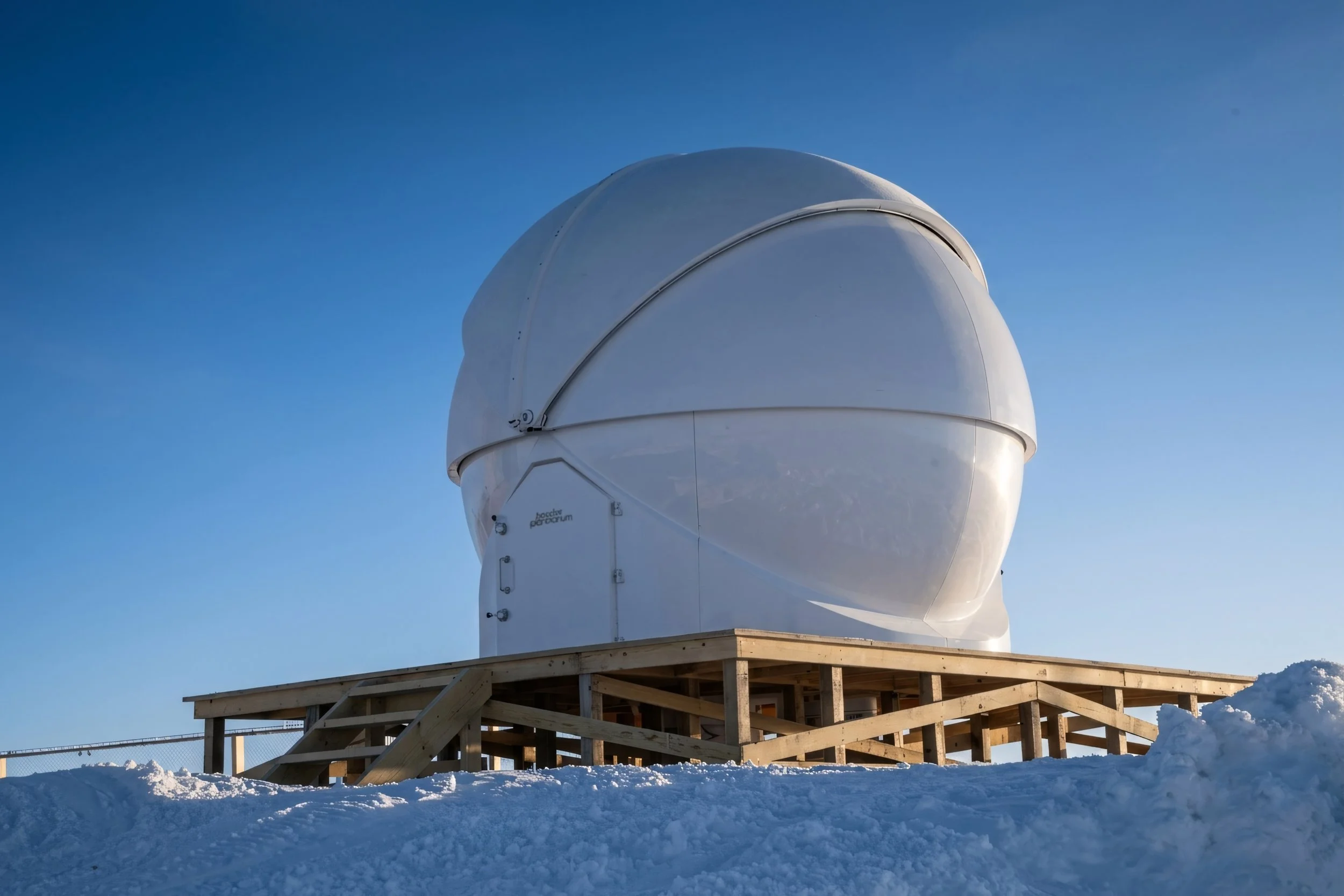
Discover our Turnkey Polar Stations featuring 10Micron Mounts and Baader Planetarium Domes for SSA and Lasercom down to -40°C.
The Strategic Importance of Polar Orbits
Deploying tracking stations in polar regions (such as Northern Canada, Greenland, Svalbard, and Antarctica) addresses a fundamental geometry of orbital mechanics. The vast majority of Low Earth Orbit (LEO) assets, including reconnaissance satellites, meteorological fleets, polar-orbiting SSA targets and optical communication nodes, converge over the geographic poles on every revolution (approximately every 90 to 100 minutes).
While polar deployments involve higher setup costs, the economic return is decisive. A single polar ground station provides the observation frequency and data downlink capacity of multiple stations deployed at mid-to-low latitudes. For Space Domain Awareness (SDA) providers, sovereign defense entities, and commercial Lasercom operators requiring redundant networks, polar deployment minimizes the total node count needed for global coverage.

DDS "Polar" Technology for Extreme Conditions
Operating optical tracking infrastructure under severe Arctic and Antarctic conditions presents critical mechanical challenges, as standard industrial systems suffer from thermal contraction, mechanical backlash, and lubricant failure under severe cold.
10Micron's Direct Drive System (DDS) mounts in the Polar-Ready configuration offer a unique field-proven solution engineered to maintain extreme precision and zero backlash down to -40°C.
The integration of specialized structural thermal tolerance mapping and arctic-grade lubrication prevents component seizing and contraction. This design ensures the high-dynamic acceleration and tracking performance necessary for monitoring fast-transit satellites, low-latency optical links (Lasercom) and space debris under extreme thermal stress.
Turnkey Solutions and Proven Field Heritage
The joint ecosystem developed by 10Micron and Baader Planetarium combines high-payload tracking mounts with arctic-spec environmental domes into a fully integrated, highly resilient turnkey stations.
Backed by years of flawless, uninterrupted operational heritage within the Arctic and Antarctic Circles, our unified ecosystem eliminates deployment risk for aerospace, defense, and research organizations worldwide.
Contact our Team to review site specifications and deployment requirements for your polar ground network.
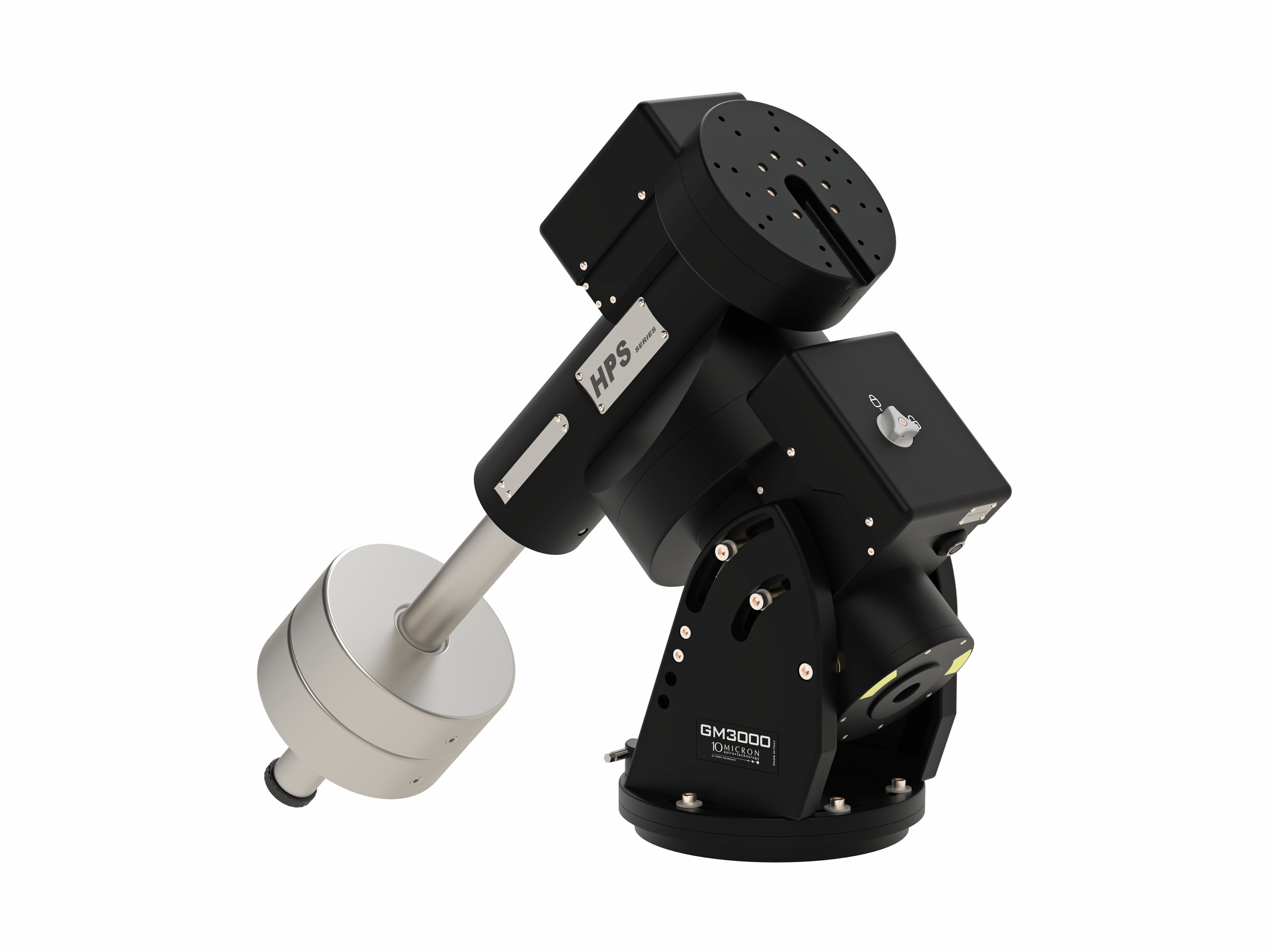
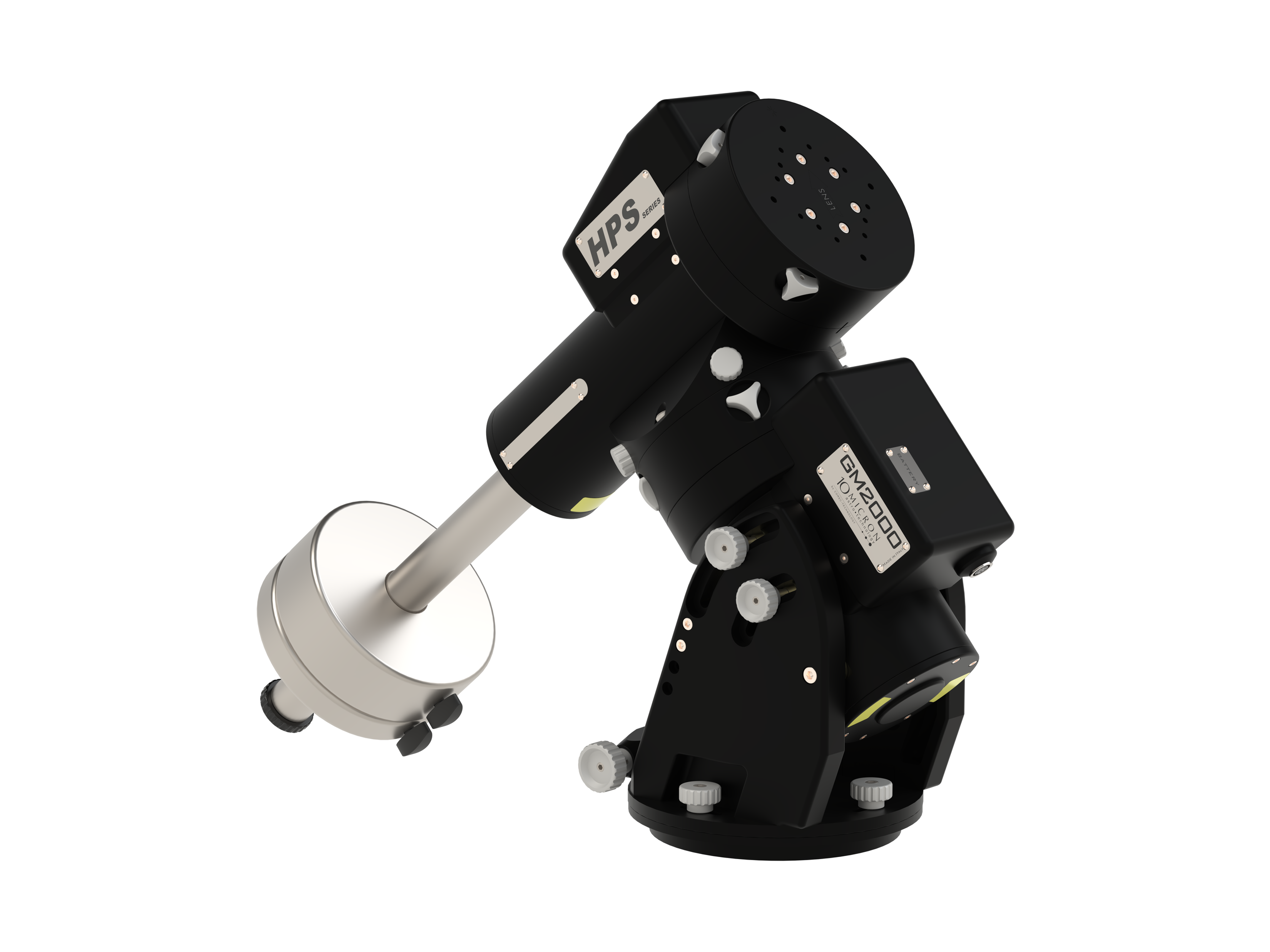
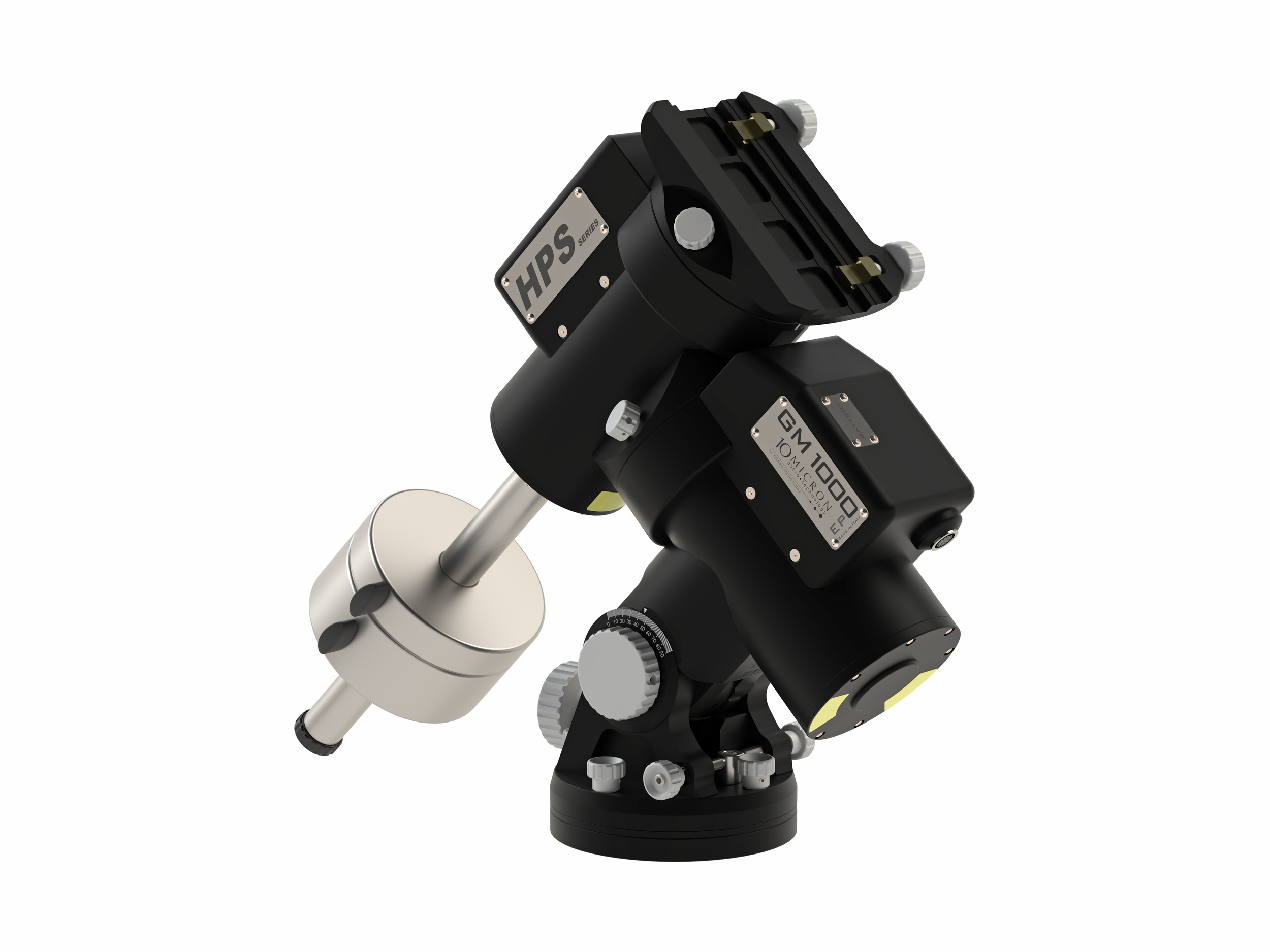
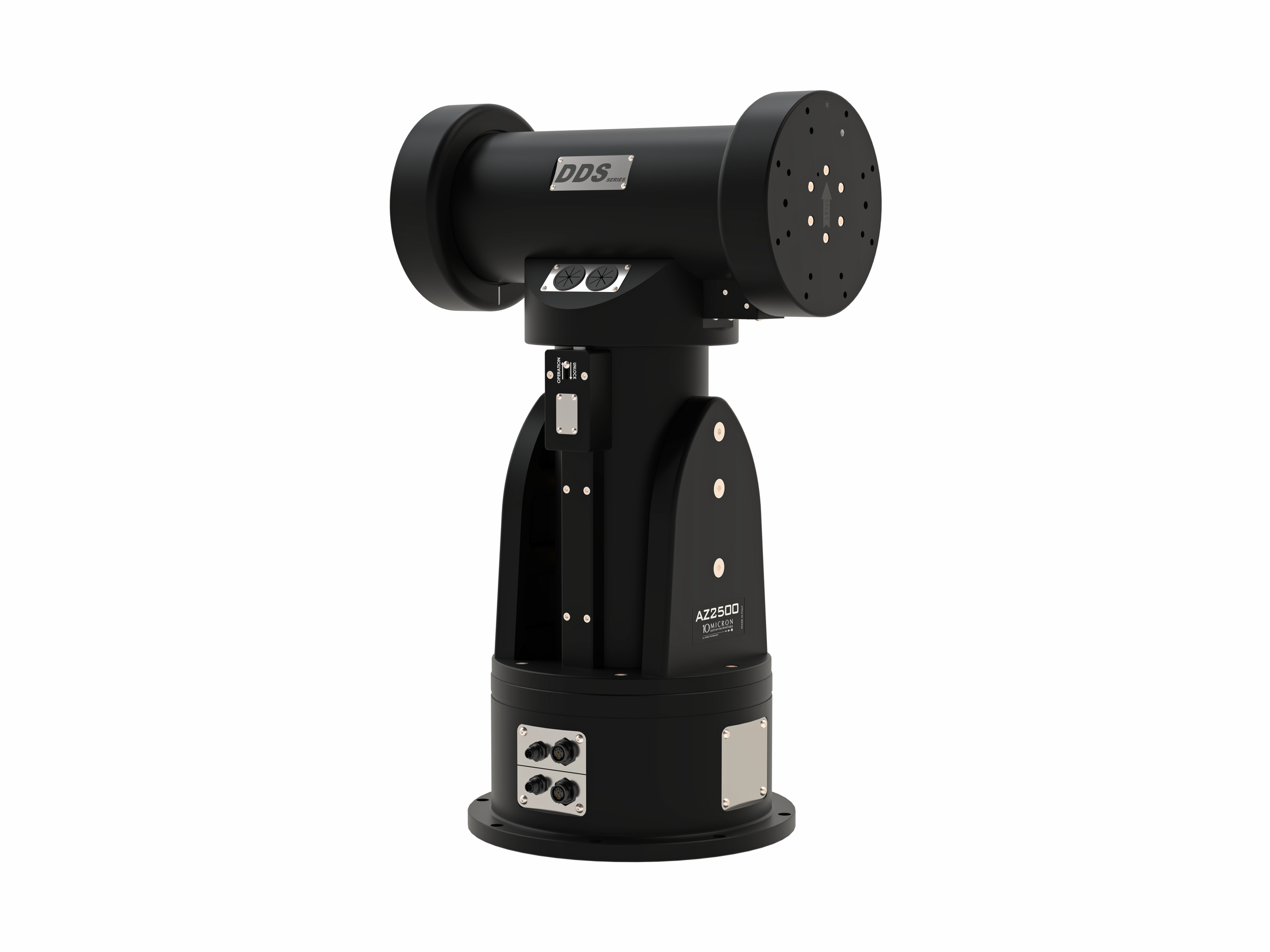
German "Go-to" Equatorial Mount, exclusive HPS technology with absolute encoders and high performance motor drives. Stiff mechanics for payload up to 150kg (330 lb) controlled by a dedicated Keypad and Control box. Designed for high-end astronomers, professional observatories and advanced research institutions.
SKU #10M4010 - BUY NOW