
Interview with the 10Micron CEO
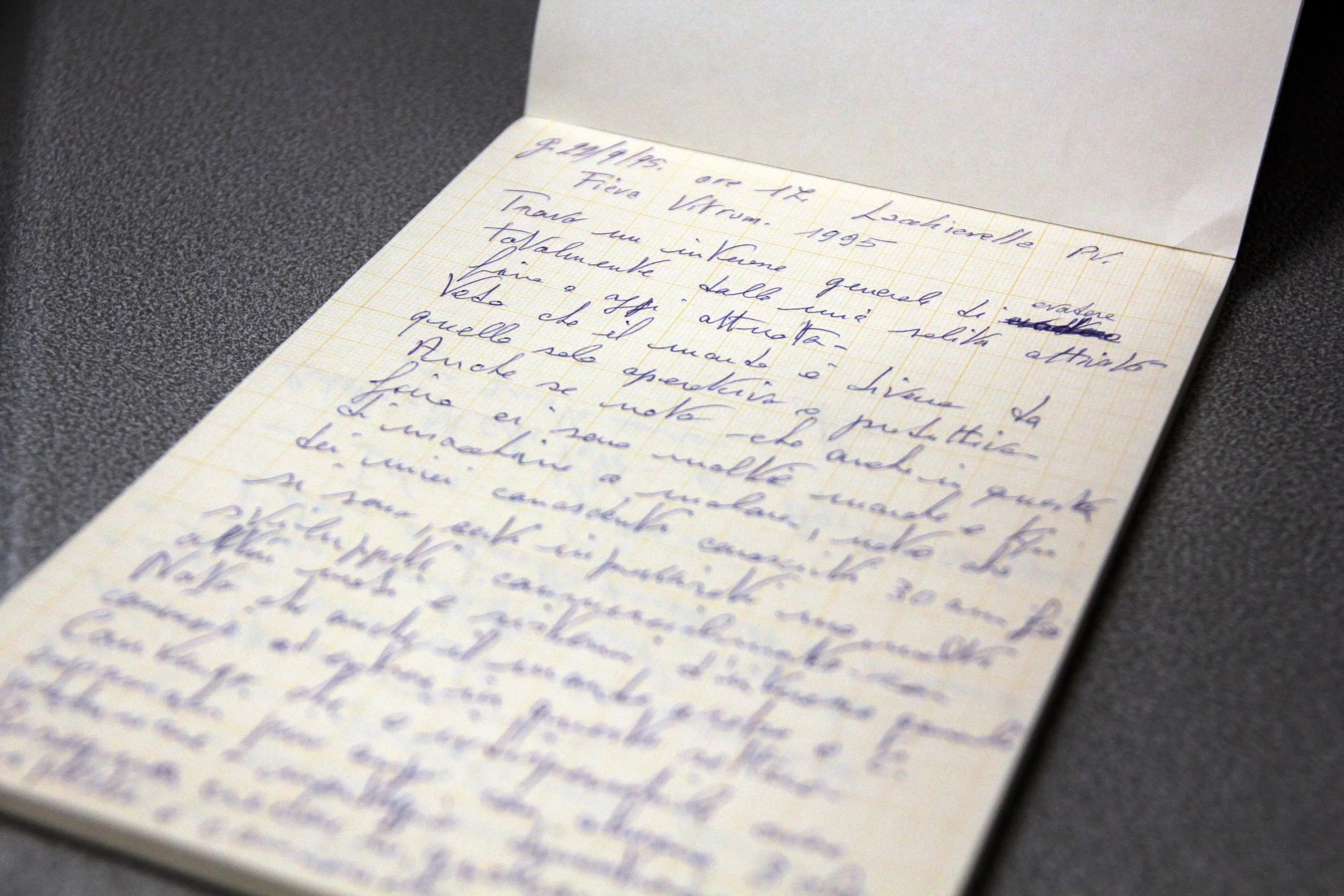
This is the story of 10Micron CEO Mariotti Ivan, an Italian entrepreneur who turned his passion into globally valued products.
-
It all started with my grandfather, who also turned his passion for mechanics into his job, accumulating a wealth of experience in the 1940s. During World War II, he worked at the CEMSA-Caproni workshops in Saronno, where light weapons (mortars and cannons) were manufactured for the German army. Here’s a quick anecdote: my grandfather risked his life as a partisan by tampering with cannon sights. He made sure they would miss their targets once deployed in the field. Miraculously, he was never caught in the act!
After the war, it was my father's turn. He opened a small mechanical workshop in Saronno for contract work, quickly specializing in the construction of jewelry-making machines. My father's skill, inventiveness, and expertise brought unexpected success, and the prospect of expanding production to automatic glass grinding machines eventually prompted my father, my uncle, and my grandfather to join forces and found Comec Snc in 1968.
Discover more about Our History here.
-
My father was an exceptional person, tough, determined, and very attentive to what is happening around him. He was a highly skilled and meticulous technician, as well as an irreplaceable teacher of life.
In his youth, having inherited a passion for mechanics from my grandfather, he obtained a diploma in mechanical engineering and immediately began working as a designer at Nuove Reggiane in Reggio Emilia, based in Milan, where they also designed marine engines for the Italian Army. His genius and inventiveness then led him to strike out on his own, arriving, sometimes with no small difficulty, at the present day.
-
It all started with Halley's Comet in 1986, when one evening my father gave me a Newton 114/900 telescope, which I still treasure. He said to me, “You know that comet everyone's talking about? Well, with this you'll be able to see it better”. I was seventeen at the time and began to ask myself questions. What was this comet? Were there other objects in the sky besides it? What is a telescope and, above all, how does it work? I started going with friends to the G. and A. Bernasconi Amateur Astronomers Group in Saronno, where I met Prof. Luigi Ferioli and Prof. Cesare Guaita. That's how I began my career as an amateur astronomer, although to tell the truth, I spent more time in the workshop trying to modify and motorize my Newtonian telescope. Without a doubt, even then I was more attracted to the mechanics of these instruments than to their use.
-
After about a year of observations, tired of having an unstable, unmotorized mount, I looked up and realized I had an entire workshop at my disposal. I talked about it with Prof. Ferioli, and he, like a magician, pulled out of his hat the design for a large mount, which he had drawn up a few years earlier together with Prof. Bertazzo and two other friends. That's how the good Prof. Ferioli ignited the spark that was inside me. The project was ambitious, especially because it was designed and built by hand by a group of friends. The mount was massive, with a load capacity of about 30/35 kg and a measured periodic error of +/-10 arc seconds. It was cast in clay and machined by hand with traditional machines, down to the last bolt. It took almost four years to complete, from 1988 to 1992. In total, we made four identical models, which we motorized in the following years, even in 2000 with the FS2 pointing system. This was the first major milestone, which gave me the confidence that I could make valid products for astronomy “at home”.
-
Immediately after creating the four mounts based on the Ferioli-Bertazzo design. I took a look at the European market and realized that there was nothing, absolutely nothing, that could satisfy the needs of advanced and demanding amateur astronomers in terms of rigidity, precision, and portability. So I asked myself, “Is it possible that we Italians are not capable of doing what the others do?” And I took up the challenge, I thought about what I wanted to achieve, but above all what I didn't want, creating not just a mount, but “The Mount”, capable of leaving an important mark on the European market. Comec had recently emerged from a period of generational crisis, following the death of my grandfather and the widespread introduction of electronics into manufacturing processes. We needed to find something new that would restore the company to the top of its niche market, and we had an idea. I involved my father, explaining my idea and showing him some projects I had created in 3D with SolidWorks, sacrificing precious hours of sleep and family time. The idea convinced him, and I still remember his words: “If you believe in what you are doing, go ahead with it. Use your head and remember that I am always here”. It was the year 2000.
-
Our product was extremely effective from the outset, the customer service was impeccable, and we kept our promises. What else was needed? We just had to spread the word about the brand to secure the market share for which the project was created.
In Italy, within a short time, the main retailers could boast of having at least one of our mounts in their shop windows. Abroad, however, there was still everything to be conquered. I therefore approached the German company Baader Planetarium, which initially proved to be a brick wall. It took almost three years and several meetings to get them to consider us. The biggest obstacle was the FS2 control system we initially installed, which was not at all up to the standard of our mounts. From that moment on, I realized that the FS2 had to be abandoned. We worked hard for a year and a half, side by side with Dr. Filippo Riccio, developing the new QCI control system, entirely designed and manufactured in Italy. In 2006, Baader understood what we were made of, and thus opened the doors to Europe and beyond!
Than, the year 2011 marked a definitive turning point in our history with the introduction of High Precision and Speed (HPS) technology. We became the first manufacturer to integrate high-resolution industrial absolute encoders directly onto both mount axes for the general astronomy market! This evolution allowed us to transcend the initial barriers of the North American market. While the euro-dollar exchange rate had previously limited our competitiveness against local US manufacturers, the undeniable precision of the HPS and later HPS II series established 10Micron as the premium choice for serious observatories.
Our reach soon extended to every corner of the globe, including Canada, Australia, China, and the Middle East, as we scaled our technology to cover a full range of payload capacities from the portable GM1 to the massive GM4.
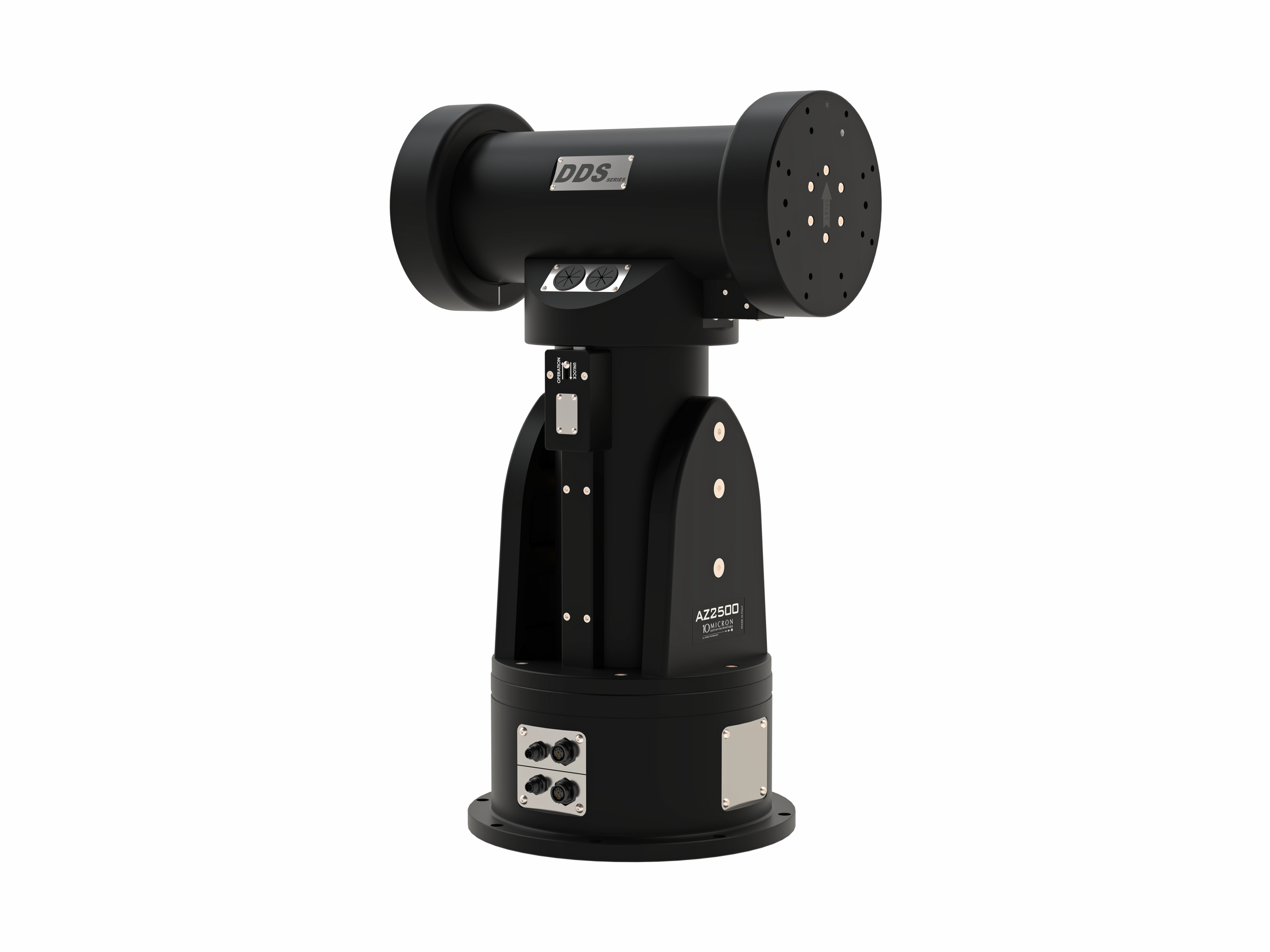
In 2016, as we reached the limits of traditional gear-driven systems, our research shifted toward the next frontier of motion technology: the Direct Drive System (DDS). Beginning with intensive prototyping, we focused on integrating powerful magnetic motors with sophisticated control systems to eliminate mechanical wear and backlash entirely.
Today, success remains a pursuit for the present. Under the third generation, 10Micron has completed a comprehensive digital transformation, implementing Industry 4.0 standards and advanced quality control protocols. This evolution ensures that our deep mechanical heritage remains at the service of the most specialized and demanding astronomical and spatial applications worldwide.
-
There is no secret ingredient. The first step is to believe in what you do, wholeheartedly. Above all, you need to bring seriousness, passion, awareness, constant dedication, original ideas, continuous research, and guaranteed quality to your work. If you don't put these few rules into practice, the dream will be flavourless, meaningless and short-lived.
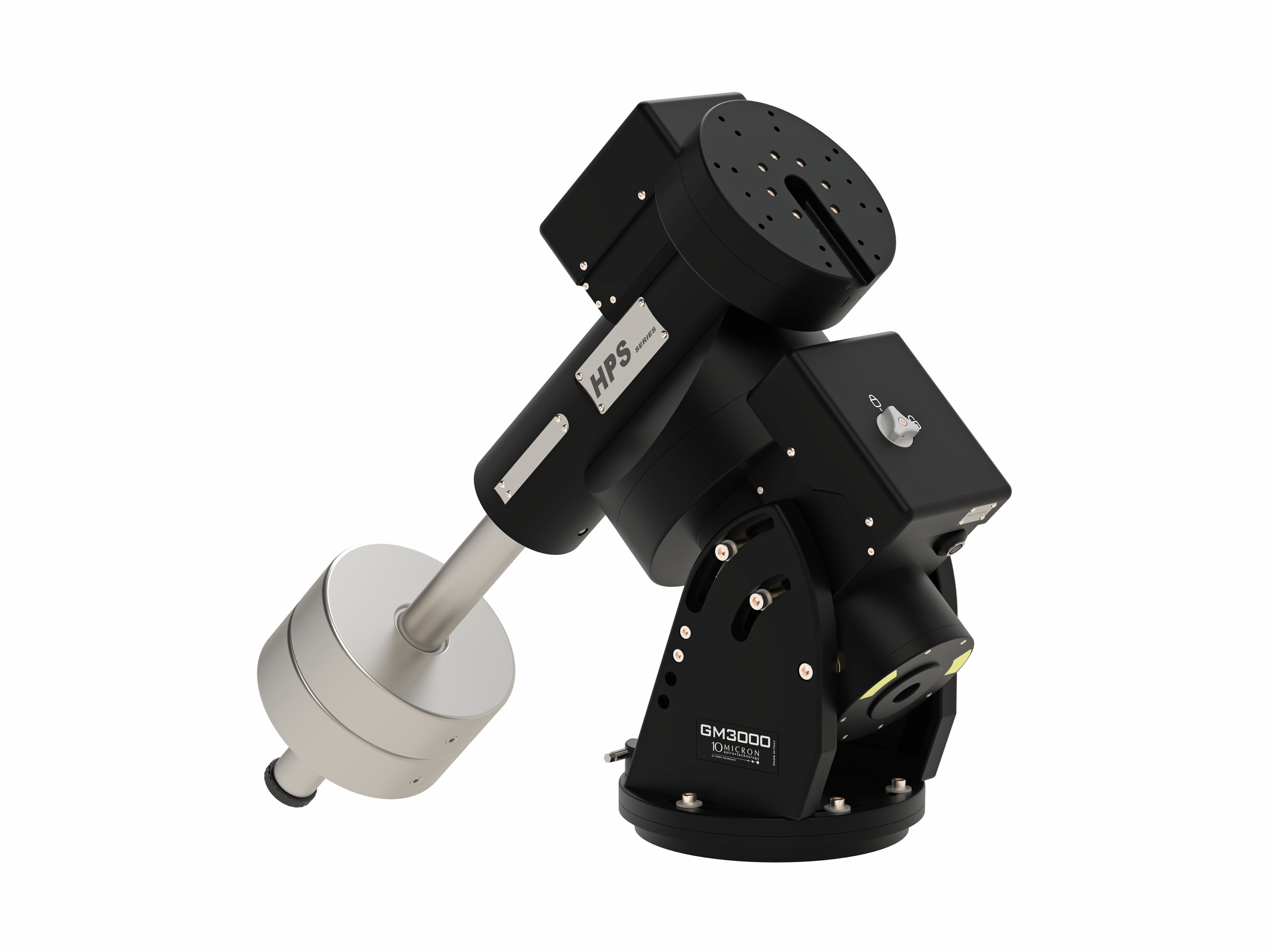
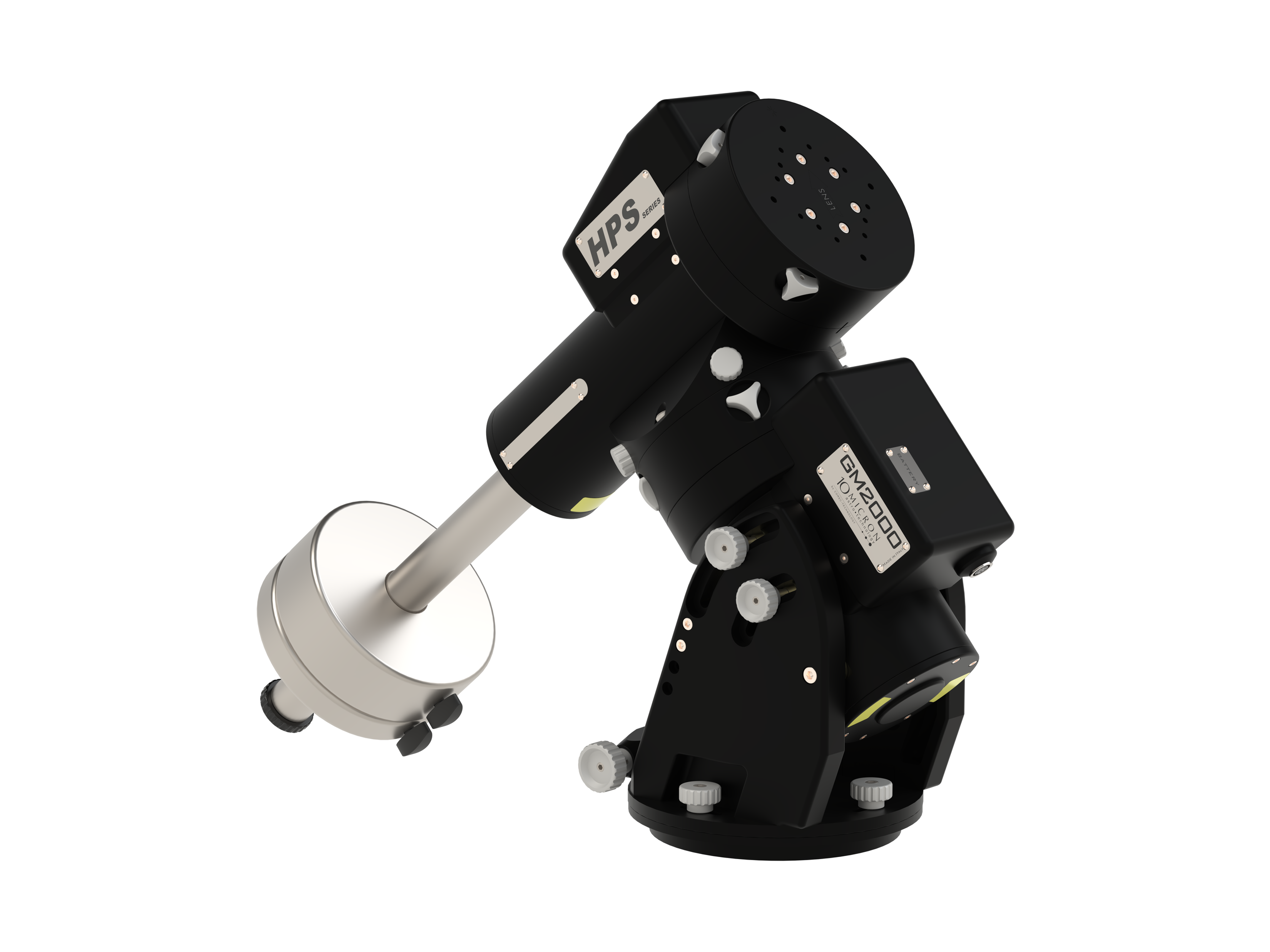
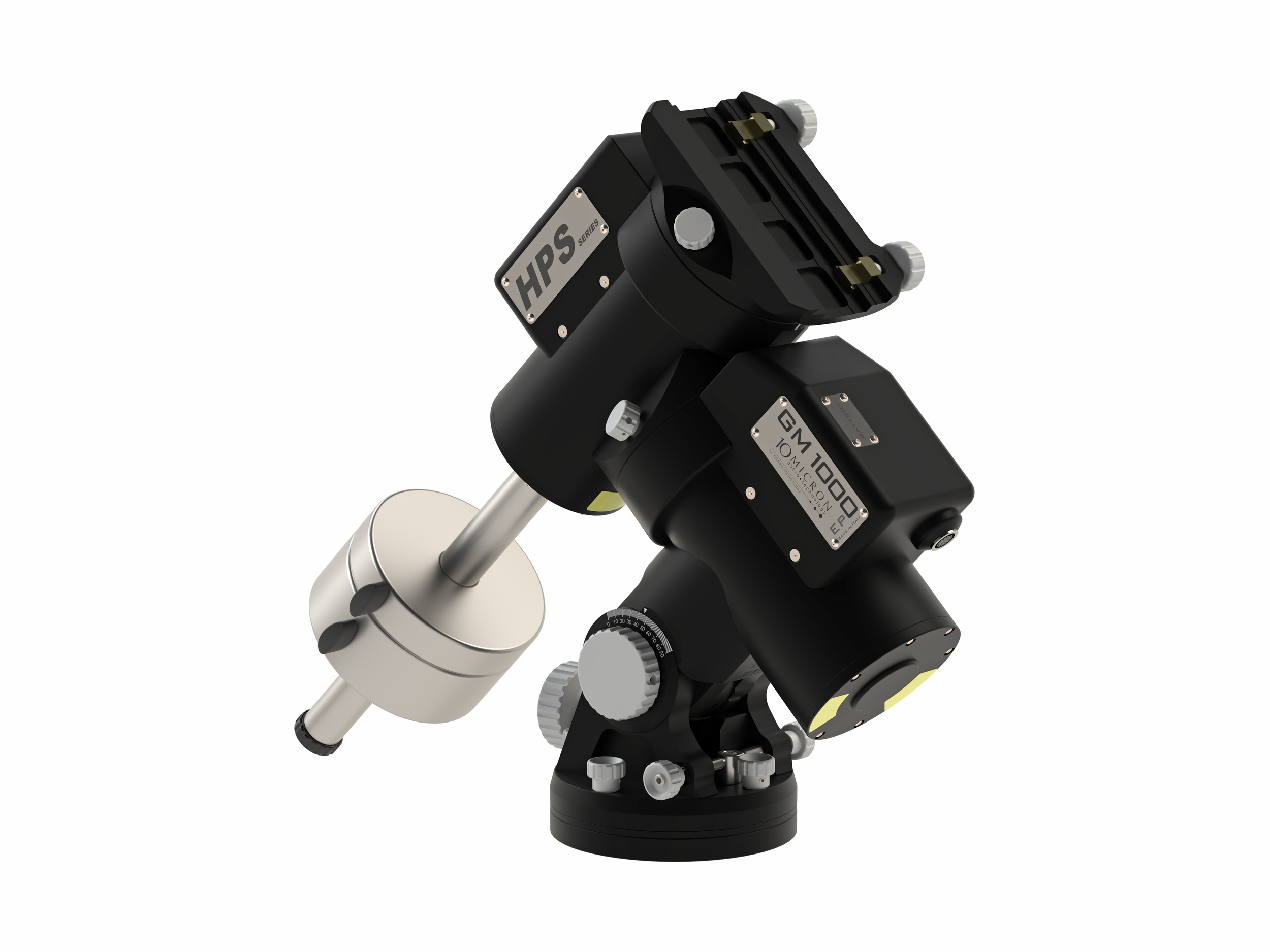
German "Go-to" Equatorial Mount, exclusive HPS technology with absolute encoders and high performance motor drives. Stiff mechanics for payload up to 150kg (330 lb) controlled by a dedicated Keypad and Control box. Designed for high-end astronomers, professional observatories and advanced research institutions.
SKU #10M4010 - BUY NOW